Issue 33 · August 2026
When cameras do the enforcement work
I've been watching something interesting take shape over the past few months in municipal parking. Automated cameras that don't need a person watching them live are showing up downtown, not just as a pilot curiosity, but as a real operational shift. Two stories this week make that clear.
Automated Enforcement
East Lansing approves five-year contract for automated downtown enforcement
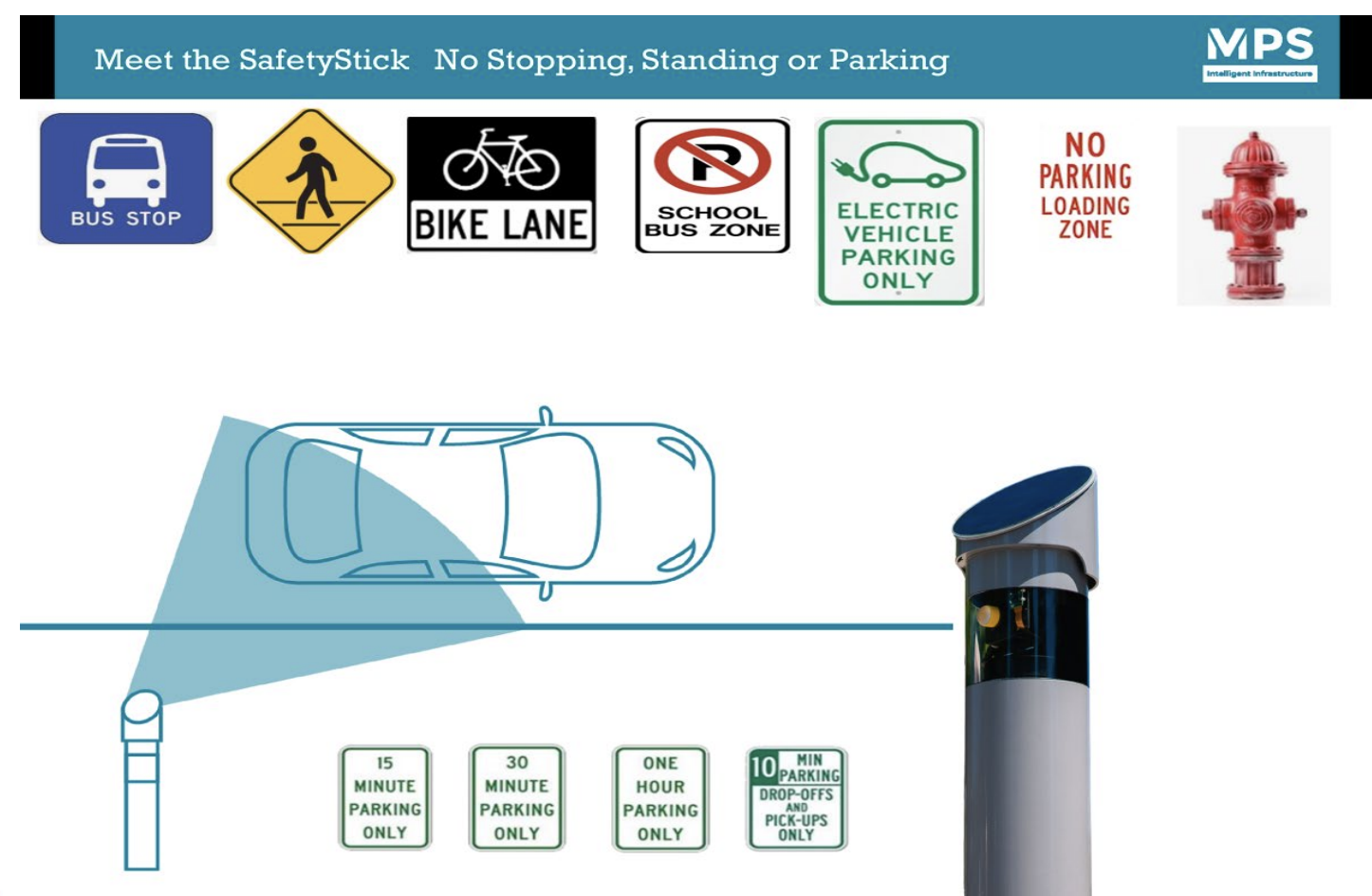
East Lansing, Michigan just approved a five-year contract to install automated "SafetyStick" cameras in its downtown core. The sticks use radar to detect vehicles that stay stationary past a set time window, then photograph the car and plate and send that data to the city's PACE division for review, no live officer required. A pilot program this past April flagged 1,347 violations from just seven devices. What made the council discussion interesting is how the city framed the value: consistent enforcement, reduced staff burden, better access for pedestrians and cyclists, and no upfront cost to the city.
"Automated detection shifts the enforcement model from reactive (an officer finds a violation) to continuous (the system flags it and humans review). That's a different kind of workload: less patrol time, more evidence review and adjudication."
What modern parking enforcement systems look like →
Source: IPMI/NMI Parking & Mobility: East Lansing Approves Automated Cameras (August 2026)
Curb Management
Boonton, NJ pilots automated enforcement on a narrow downtown corridor
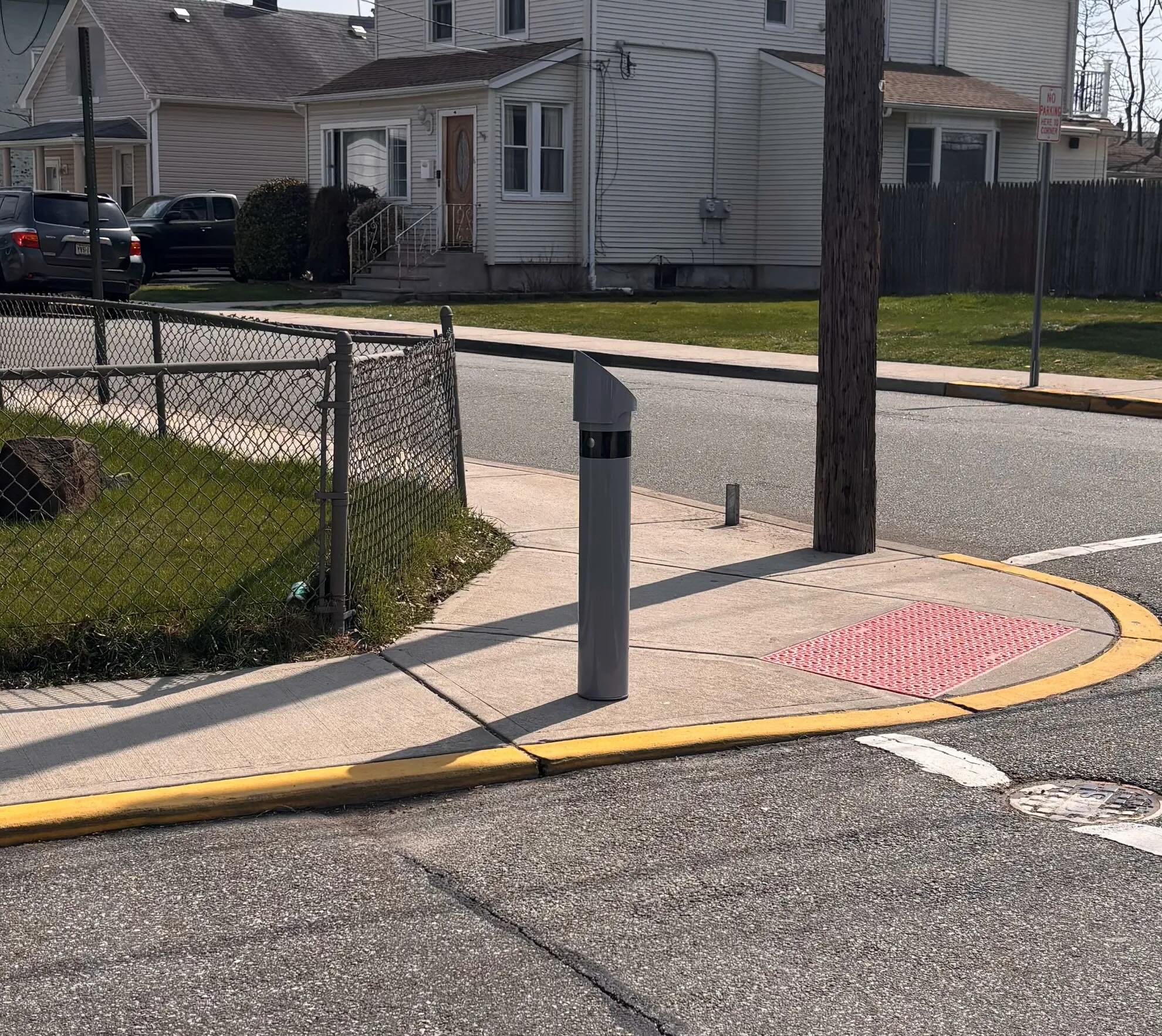
Boonton, New Jersey is running a similar SafetyStick pilot on Main Street, a narrow corridor with hills, curves, and a long history of drivers using no-parking zones as de facto drop-off lanes. The Police Chief's framing is direct: "A little technology will be added to keep everyone honest." The town emphasized this isn't creating new restrictions, it's enforcing existing ones consistently. Delivery accommodations were also built in: short-term perpendicular parking on adjacent streets so trucks have an option that doesn't block Main Street. Enforcement alone rarely solves a behavior problem. The infrastructure has to give people somewhere else to go.
"A little technology will be added to keep everyone honest.," (Boonton Police Chief, on the Main Street SafetyStick deployment)
How LPR fits into a broader enforcement workflow →
Source: IPMI/NMI Parking & Mobility: Boonton Joins NJ Towns Using SafetySticks (July 2026)
Automated detection is only as good as the system behind it
Cameras flag the violation. What happens next, evidence review, adjudication, appeal handling, and reporting, is where most operations feel the strain. OPSCOM is built for the full enforcement workflow, not just the detection step. If your team is thinking through where automation fits into your current setup, it's worth seeing how the pieces connect.
OperationsCommander (OPSCOM) is a cloud-native platform for parking management, enforcement, and security operations. Learn more →
