Issue 36 · September 2026
When the camera catches the car but the policy isn't there to back you up
Two stories crossed my desk this week that are worth sitting with. One is about a city taking a deliberate, accountable approach to automated enforcement. The other is a reminder that deploying LPR without a written policy isn't just a gap in your process — it can expose you to $2,500 per violation in civil liability. Both are worth a read.
LPR & ENFORCEMENT
East Lansing Approves Automated Camera Enforcement for Downtown Parking
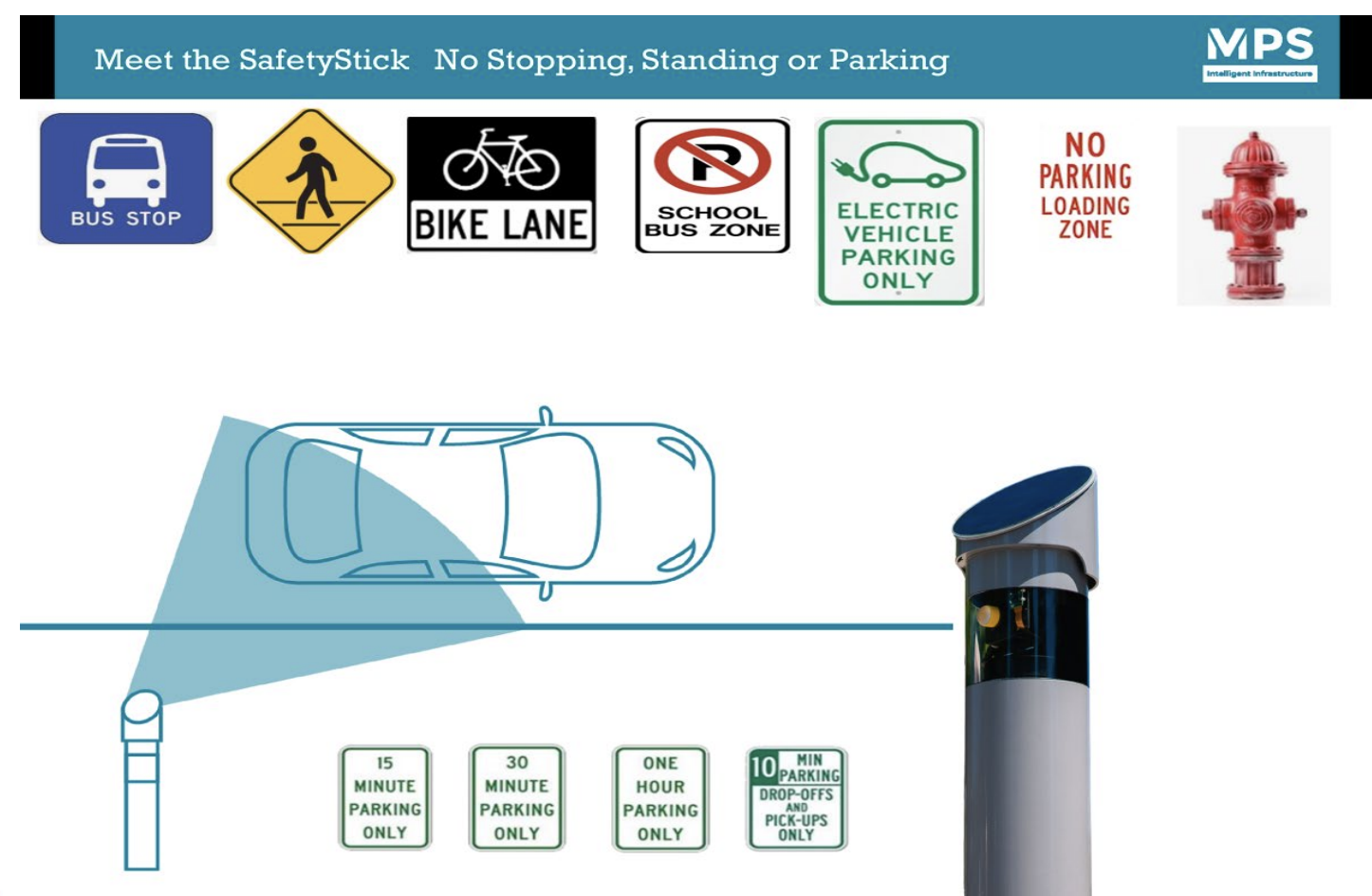
East Lansing City Council voted unanimously to contract with Municipal Parking Services to deploy radar-based SafetyStick cameras in its downtown core. The devices automatically identify parking violations, photograph offending vehicles, and route that data to both the vendor and the city's Parking and Code Enforcement division for review before a ticket is issued. There's a built-in double-check: evidence is verified by both parties, and the cameras only flag vehicles that have been stationary longer than a threshold set by the police department. A seven-stick pilot program run in April 2026 identified 1,347 violations in downtown East Lansing, which gave the city enough confidence to approve a five-year contract allowing up to 30 devices. The cameras come at no cost to the city — MPS collects 50% of citation revenue plus a $7 handling fee per ticket, passed on to the violator. What stands out here is the governance structure: city council built in quarterly review requirements, ELPD retains control over timing thresholds, and all metrics are available to the department at any time. That kind of accountability infrastructure is increasingly what separates successful enforcement deployments from the ones that become public relations problems.
"In an April 2026 pilot program that featured seven of the sticks placed in downtown East Lansing, MPS identified 1,347 violations."
How OPSCOM handles LPR workflows →
COMPLIANCE & POLICY
Missing an ALPR Privacy Policy Could Cost You $2,500 Per Violation
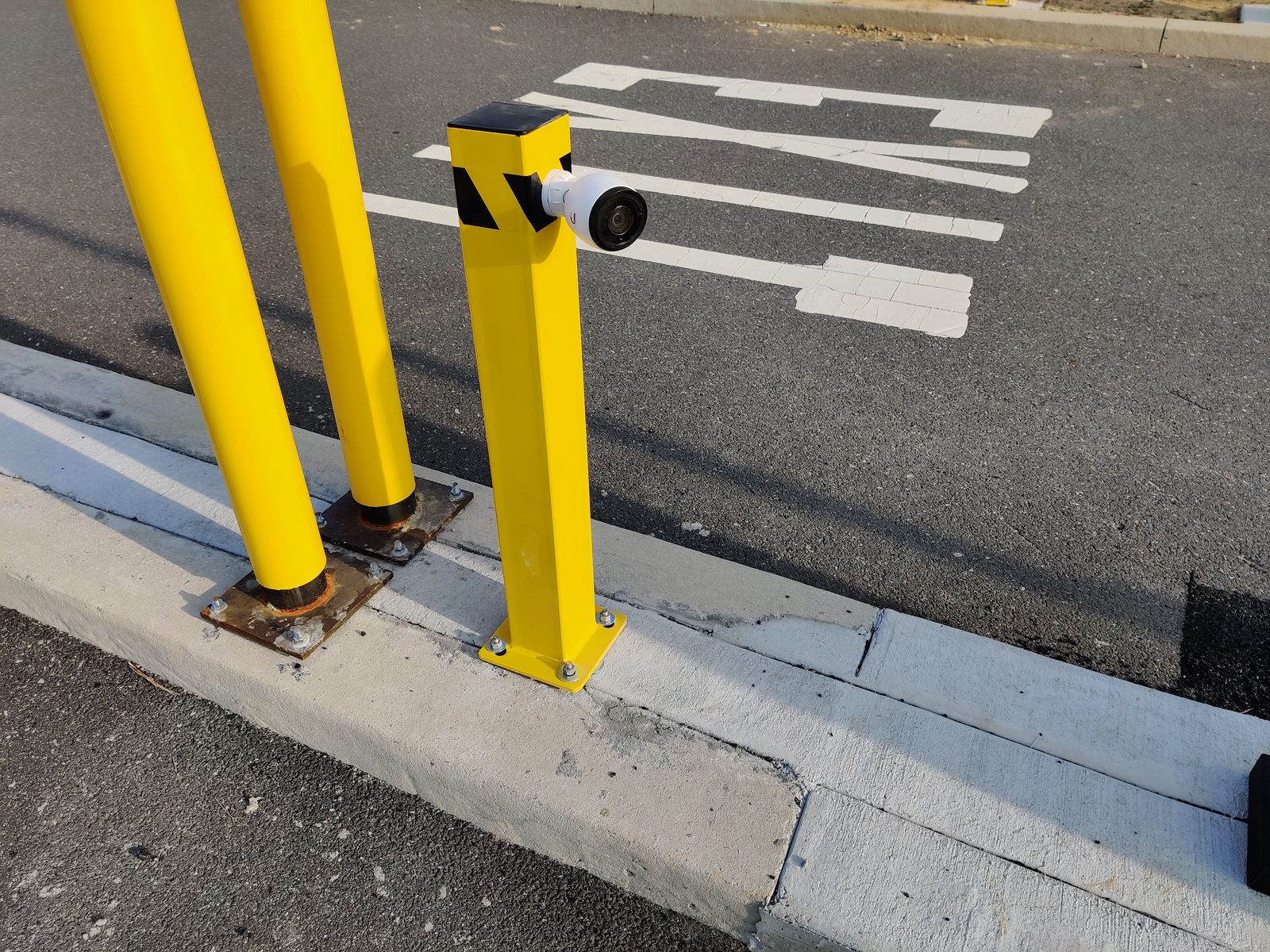
California's ALPR law has a detail that catches a lot of operators off guard: the compliance obligation is triggered by the technology itself, not by whether you charge for parking. If your lot uses a camera system that converts plate images into a searchable database, you need a written usage and privacy policy. No exceptions for free lots, private properties, or third-party-operated systems. Parking BOXX published an educational guide this summer walking through California Civil Code §§ 1798.90.5 to 1798.90.55, which creates a private right of action. Anyone harmed by a violation can recover actual damages, with a statutory floor of $2,500 per violation, plus attorney fees. The guide covers what the statute requires, where policies most commonly fall short, and the specific wrinkle of third-party ALPR vendors — because even if someone else operates the system, the operator of the property can still be on the hook. California is the most explicit jurisdiction right now, but the direction of travel for ALPR data governance is clear across North America. If you operate LPR and haven't reviewed your data handling policies recently, this is a reasonable prompt to do so.
"Civil Code § 1798.90.54 creates a private right of action allowing anyone harmed by a violation to recover actual damages, with statutory minimum liquidated damages of $2,500 per violation, plus attorney's fees."
OPSCOM enforcement and LPR data management →
Source: NPA / Parking Mobility: Missing ALPR Policy Could Cost $2,500 Per Violation (July 2026)

INFRASTRUCTURE & COSTS
Parking Structure Construction Costs Up 6% in 2026, WGI Study Finds
WGI Inc.'s 2026 Parking Structure Cost Outlook — now in its 20th year — puts the national median construction cost at $33,300 per parking space, or $98.75 per square foot. That's a 6% increase over 2025. The range is wide: San Francisco tops out at $43,000 per space, while Houston comes in at $27,806. These are hard construction costs only; add soft costs and total project budgets typically run 15-25% higher. What's driving the increase is a combination of factors that aren't going away soon: concrete and structural steel price volatility, persistent labor shortages, and evolving code requirements. WGI's analysts don't expect dramatic spikes, but they do expect steady, sustained escalation that owners need to account for in long-term capital planning. For anyone managing a parking asset — whether planning a new structure, evaluating a renovation, or setting reserve budgets — this study is worth bookmarking. The broader implication is that the cost to add physical supply keeps going up, which makes efficient use of existing inventory more valuable. That means better data, better enforcement, and better demand management from the spaces you already have.
"The national median construction cost for a new parking structure has increased to $33,300 per parking space — a 6% increase over the 2025 median cost of $31,400 per space."
Parking management and space utilization with OPSCOM →
Source: NPA / Parking Mobility: WGI Releases 2026 Parking Structure Cost Outlook (August 2026)
From the OPSCOM Community
Clery Act Reporting Arrives in IncidentAdmin on September 8
Starting September 8, OPSCOM is rolling out a series of upgrades to IncidentAdmin with Clery Act compliance built in. Whether you have formal Clery obligations or just want cleaner incident intelligence, the new tools add flexible location grouping, category layering, and richer incident detail fields — without disrupting how you're currently set up.
Your LPR data should be yours, not your vendor's
As ALPR compliance requirements tighten, knowing where your data lives matters. OPSCOM keeps your LPR data in your own database — no shared cloud, no vendor-controlled repository, no surprises when a policy review comes around. It's one reason operators with compliance obligations choose OPSCOM over platforms that aggregate data across clients.
On the Radar
GSX 2026 — Global Security Exchange
September 14-16, 2026 · Atlanta, Georgia
ASIS International's annual security industry conference, drawing security directors, law enforcement professionals, and campus safety leaders from around the world. Sessions cover physical security, technology integration, risk management, and emerging threat response.
Smart Cities Connect Fall Conference and Expo
September 22-24, 2026 · National Harbor, Maryland
A cross-sector gathering of city technology leaders, mobility planners, and public safety professionals focused on digital transformation, urban operations, and smart infrastructure. Municipalities attend for free — the expo includes vendors across mobility, parking, IoT, and data.
OperationsCommander (OPSCOM) is a cloud-native platform for parking management, enforcement, and security operations. Learn more →
